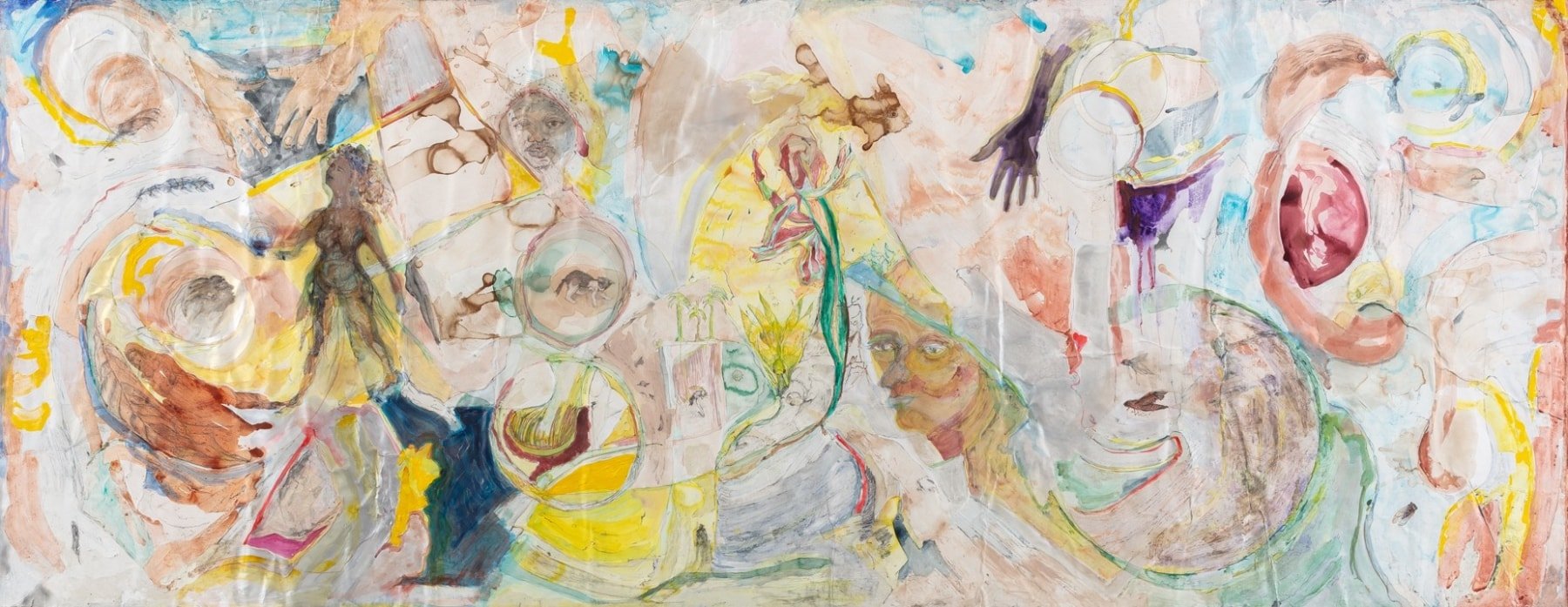
Gesture-less Listening
What if the gesture of listening is to stop doing other things – to halt action because words have taken over? Like in a play, when an actor is still, then quick to motion while across the stage, two other performers have a discussion. The audience learns that the characters have been overheard, and listening is demonstrated through inaction and reaction.
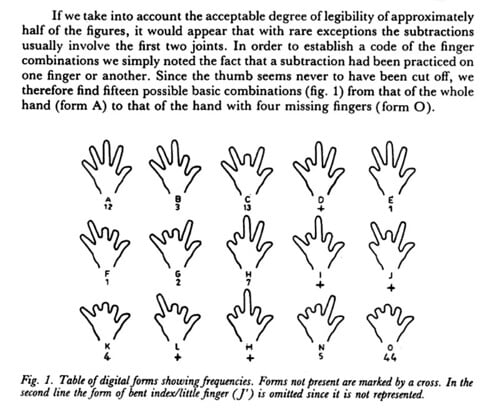
Deleuze's On Painting: Seminar 4(a) - The Manual and the Digital
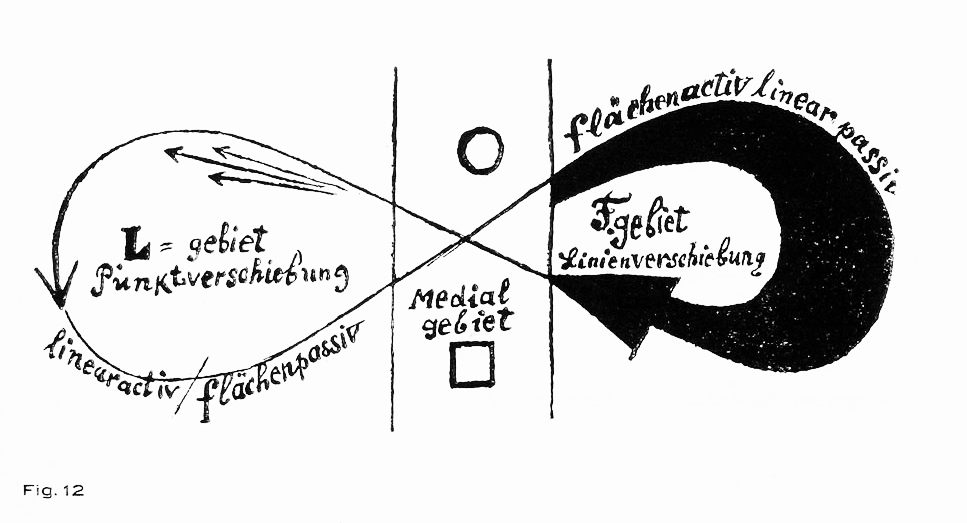
In Session 4 Deleuze continues his exploration of painting, through three positions or configurations of the diagram. And in particular he will continue to explore the question of a position or placement of elements in terms of the eye and hand. Once he articulates three potential configurations of the hand/eye, he begins to distinguish the function of code in Abstract art.
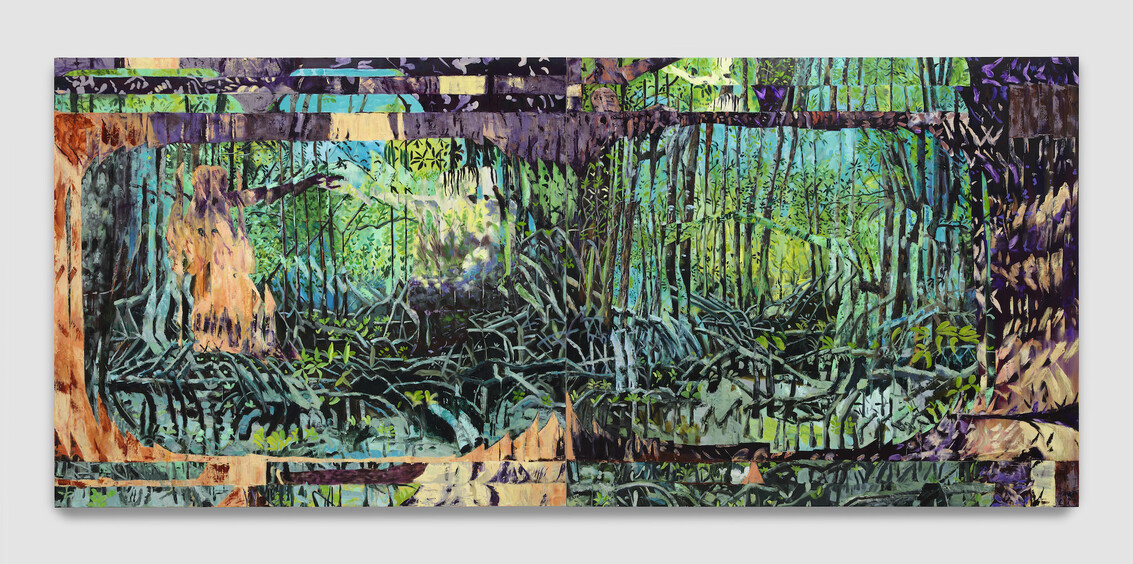
The Gesture of Touch
Who's afraid of touch in education? We are and we aren't. Touch had different meanings depending on the age and ability of our students.
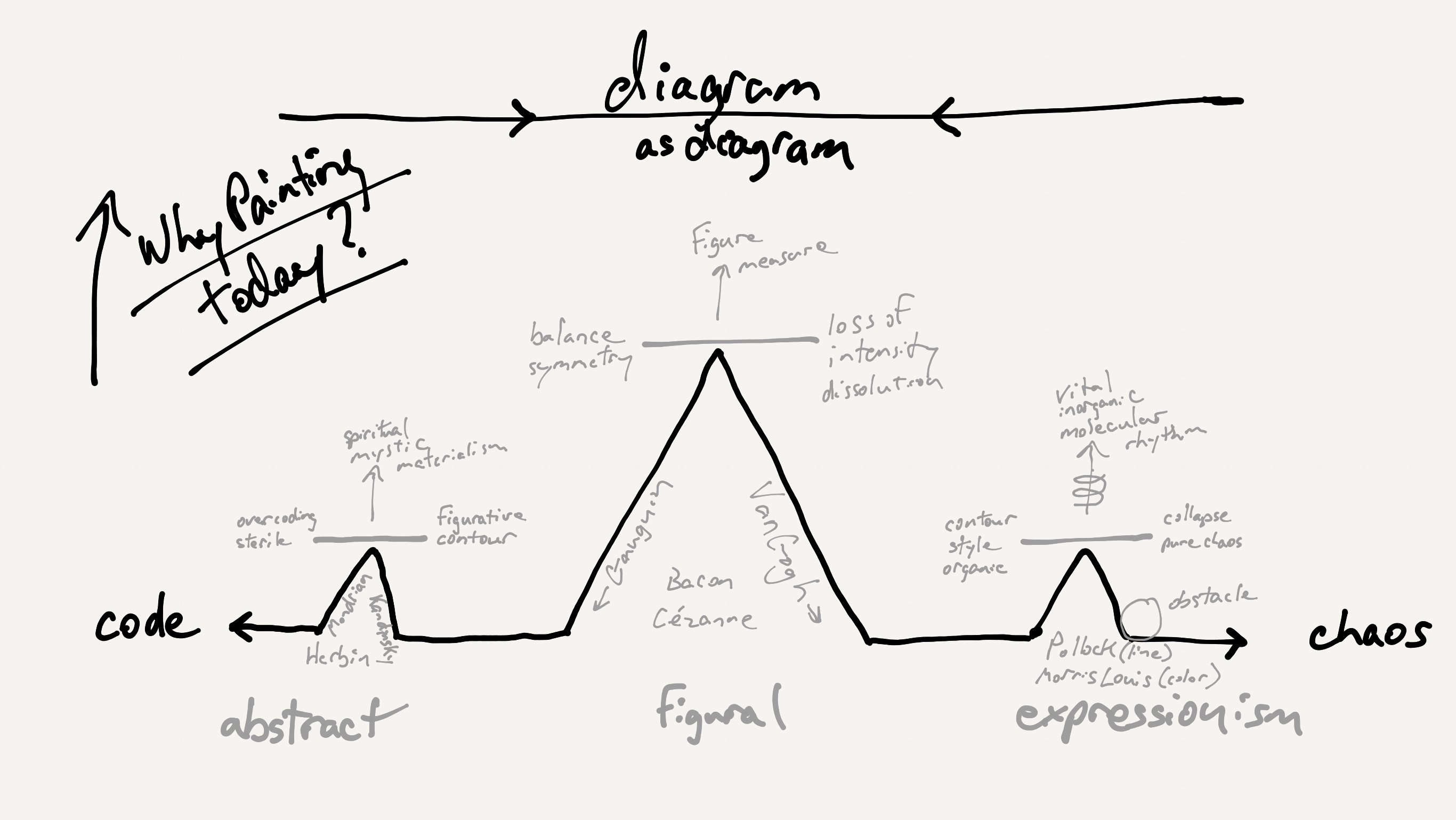
Deleuze's On Painting: Seminar 3(b) - The Risks of Painting
In the second half of Seminar 3, "Characteristics and Dangers of the Diagram," Deleuze addresses the question "Why paint today?" by way of three possible relationships to the diagram: abstraction, the figural, and expressionism, each with its own dangers.
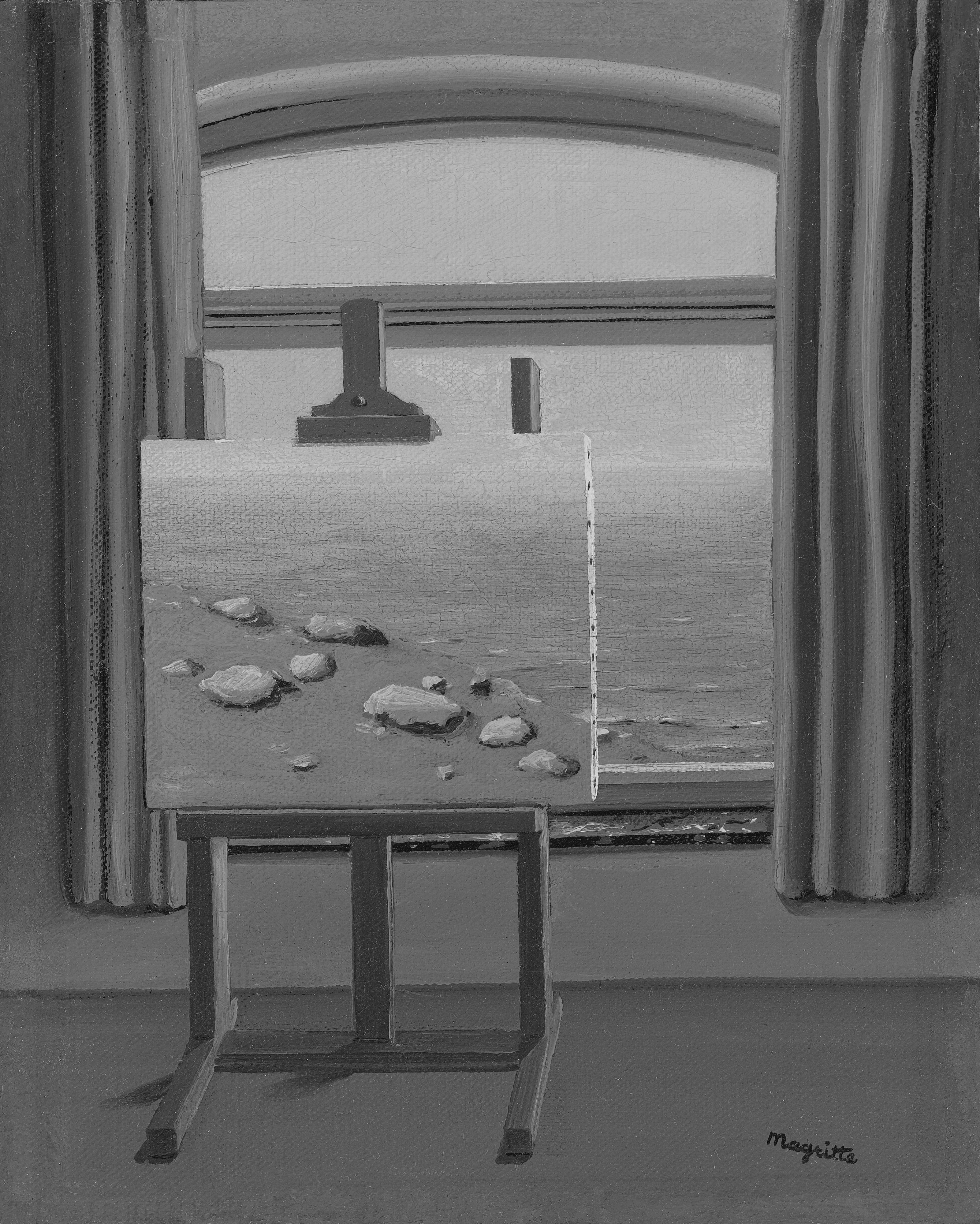
Deleuze's On Painting: Seminar 3(a) - Characteristics of the Diagram
In Seminar 3 of Deleuze's lectures on painting, he returns to the scene of the catastrophe, and extracts five characteristics of the "diagram."
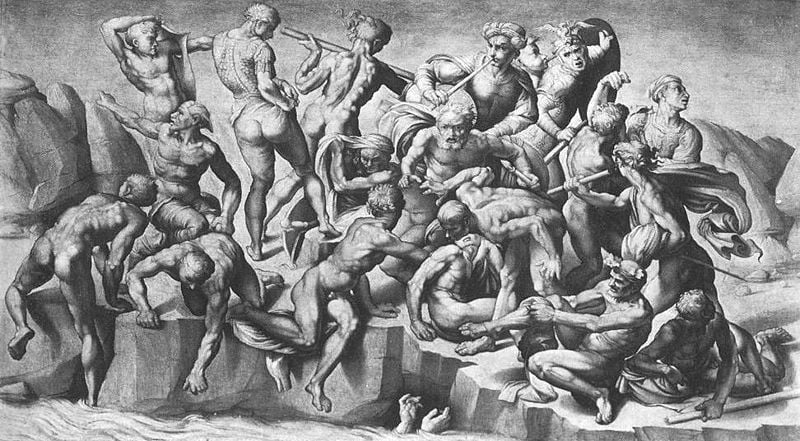
Deleuze's On Painting, Seminar 2: "Painting Force"
In Seminar 2 of Deleuze's On Painting, he continues to introduce and rework the same three-part synthesis of time of the catastrophy of painting, this time adding two interesting details.
Stay in the loop!
Thank you for subscribing!
Have a great day!