The Gesture of Touch
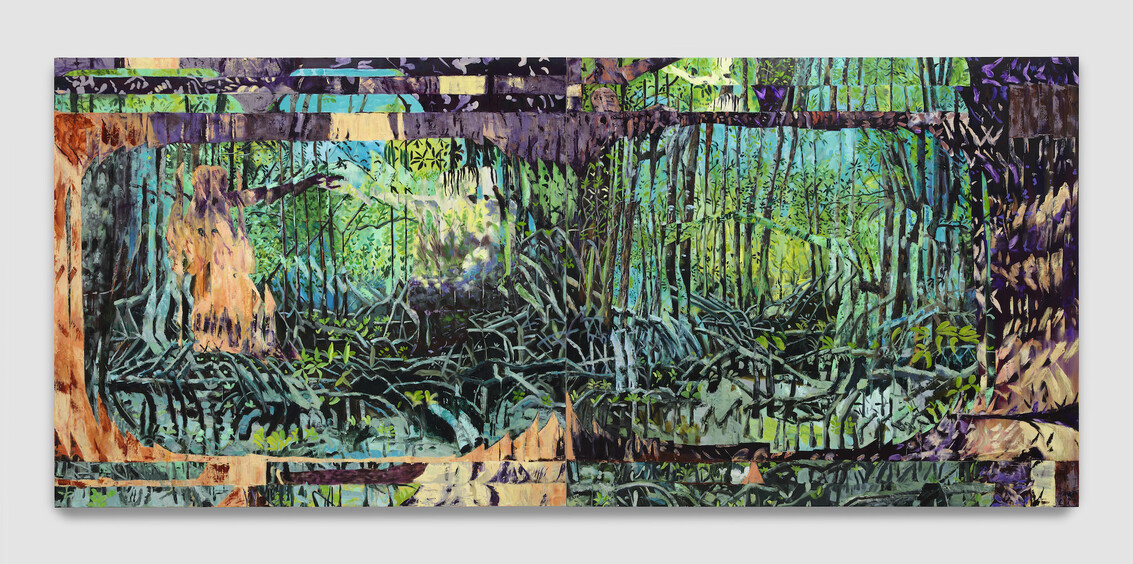
Image Credits: Maia Cruz Palileo, Springtime Again, 2024
The Gesture Of Touch
Touch proved to be a delicate subject for our group. Some were touch’s defenders, particularly those of us with early-childhood experience for whom touch was integrated into the classroom. The point was raised that touch is teleological for this age group, but with the aim to reduce its necessity. For example, an early-childhood teacher may regularly change a child’s diapers, but in the hope that this will eventually lead to the child being potty trained, thereby no-longer needing the contact. But then we considered students who will not “advance” out of the need for contact. I thought of a student who had aged out of diapers, but still had frequent, unexplained accidents. For this student, touch could not help him arrive at an educational goal (like learning to use the potty), but, by helping him clean up, could make him feel comfortable in the classroom. So touch can be educational, or it can simply help a student feel comfortable.
But obviously, these were not the forms of touch that we struggled with.
Many of us felt uncomfortable with touch in an educational setting. And for good reason! Among many things, we talked of COVID. Back then, touch was both dangerous and dearly missed. We also had to get creative about making contact. In a sense, that time illuminated something that is true for many educators- that our goal is to “touch” our students without actually touching them. I considered how a curriculum could create a scaffolding for the kinds of touch that students use with each other, without requiring contact from the teacher themself. Again, this reminded me of my work as a Kindergarten teacher. If one child pushed another over, they were then asked to help mend the scrapes and bruises they caused.
But what does this scaffolding look-like for older children? This remains a question.