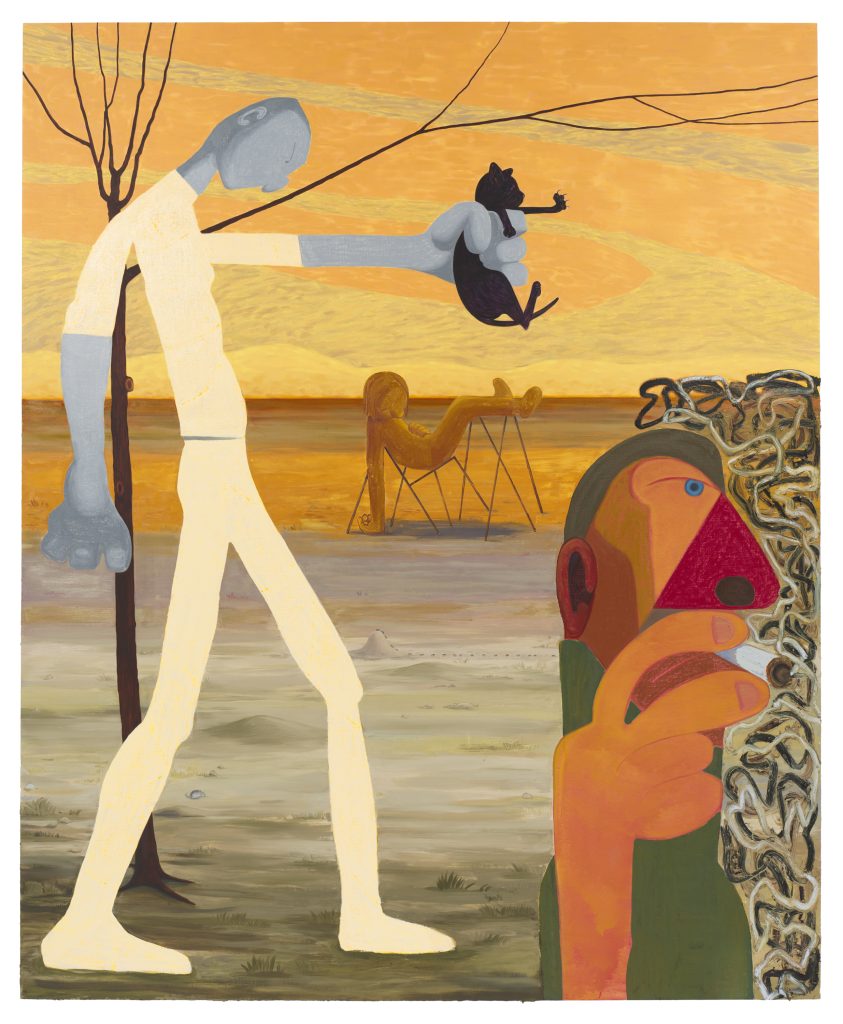
The Gestures of Listening to a Podcast
We decided to discuss the gestures of listening to a podcast” because one of us had listened to a very interesting podcast. Think had hosted an interview with James Marriot, the author of the Article “The Dawn of the Post-Literate Society”. Conservative antagonism towards reading is evident, both in Marriott’s descriptions and in the world around us. As the consumption of new media continues to usurp people’s capacity to read for pleasure, the influence of podcasts becomes all the more pressing.
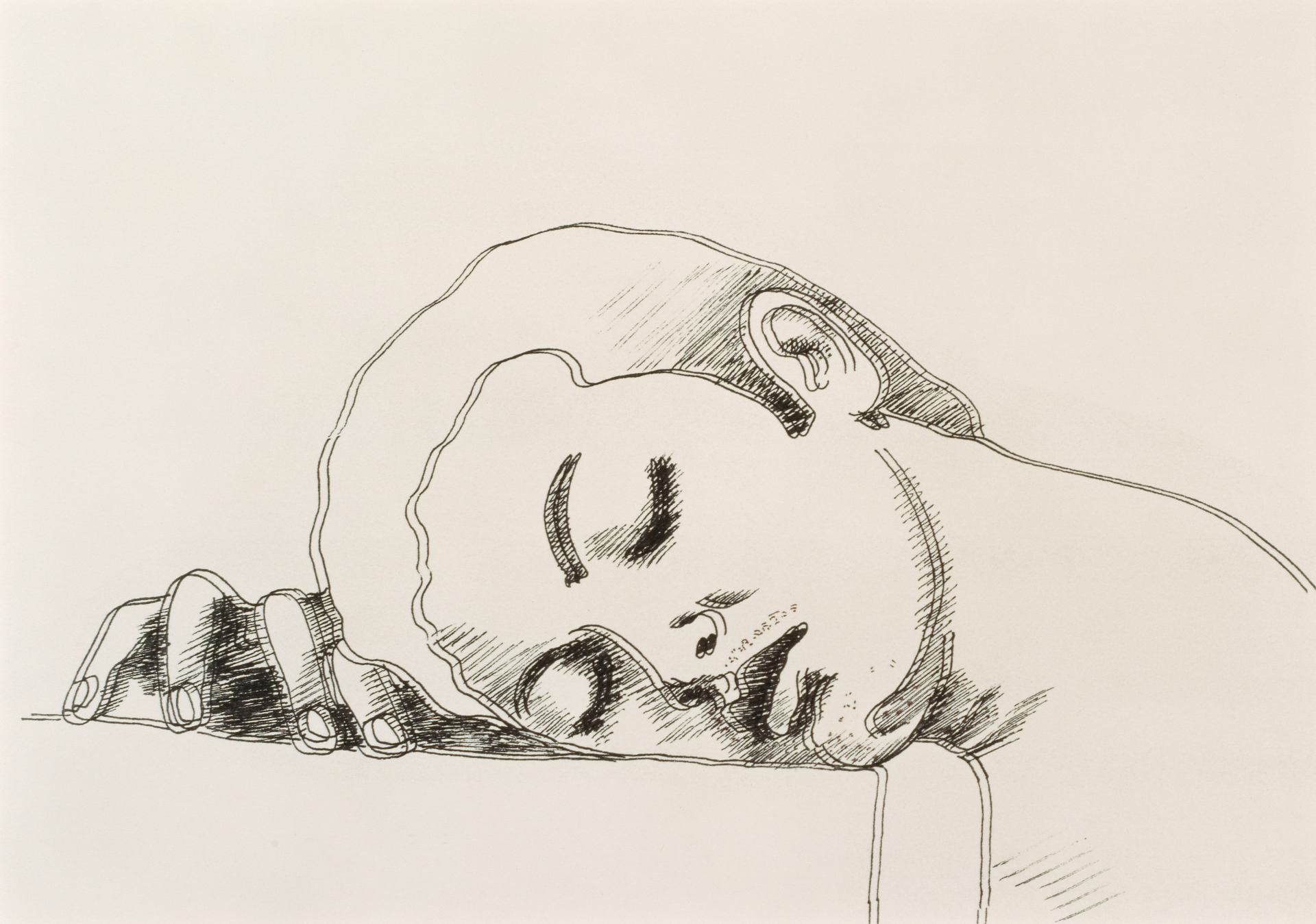
Submission and Submitting
Over the course of our conversation, we circulated around submission’s dual meanings. We considered the submission of things (proposals, applications, ect.), alongside the act of submitting to systems. Clearly these are interrelated definitions.
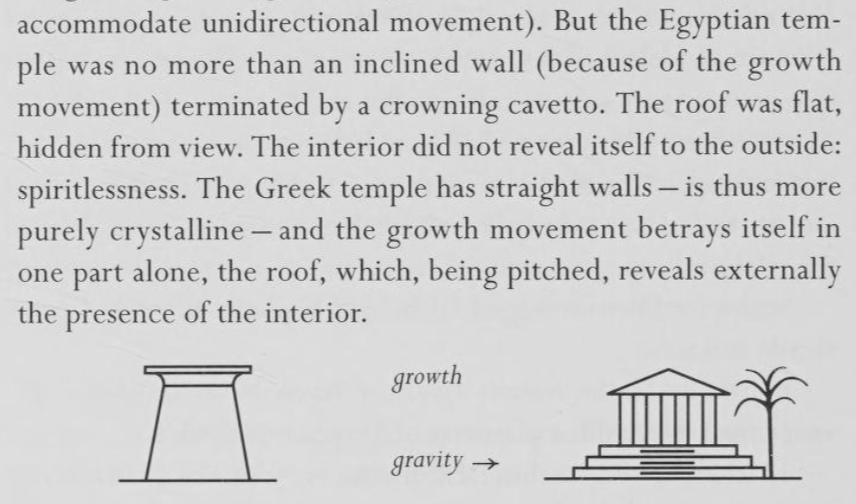
Deleuze's On Painting: Session 5 - Analogy, Signal-Spaces, and Modulation (Also Egypt)
In Session 5 of On Painting, Deleuze continues to examine the Analog in its own terms, distinguishing Mode-Module-Modulation as three forms of analogy. To the extent that painting is a kind of analog carrier, "The signal is space." So the question is how do we understand this modulation of space itself? For this Deleuze turns to Aloïs Riegl's analysis of Egyptian space: via bas-relief, the folds of clothing, the halo, pyramids, houses, and motifs.
Reading Resources for Deleuze's ON PAINTING
A list of resources and references for Deleuze's lectures On Painting by session.
Protocols for Listening
Inspired by the Ultra Red workbook, we decided to write protocols for listening. We aimed to create protocols with a written output, with the intention of exchanging protocols for our writing exercise the next week. This proved difficult, as it was challenging to create a writing protocol that was oriented towards the act of listening, rather than memory or content
Deleuze's On Painting: Seminar 4(b) - The Analog
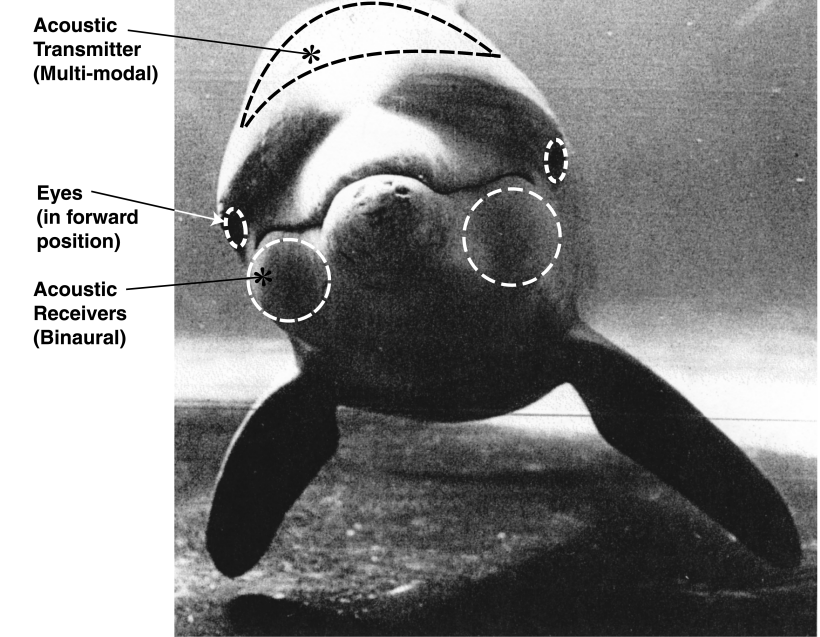
The second half of Deleuze's Session 4 of On Painting, in which he attempts an answer to the twin questions: "Is painting a language?" and "Is painting THE analog language par excellence?" Via Batson's dolphins and Rousseau's "northern man."
Stay in the loop!
Thank you for subscribing!
Have a great day!