Gesture-less Listening
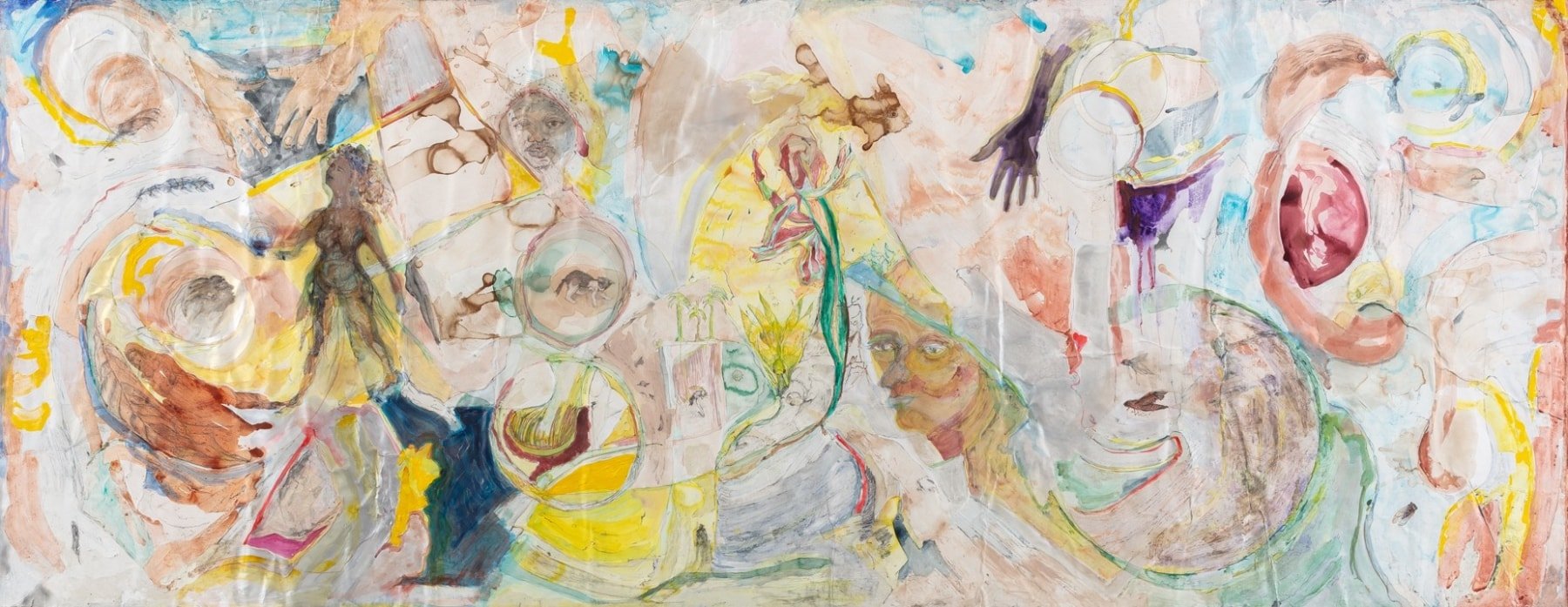
Image credit: Suzanne Jackson, 2020
What if the gesture of listening is to stop doing other things – to halt action because words have taken over? Like in a play, when an actor is still, then quick to motion while across the stage, two other performers have a discussion. The audience learns that the characters have been overheard, and listening is demonstrated through inaction and reaction.
Students don’t often get the chance to react. They have to sit still all day long. Talking or moving is a violation of the expectation that they sit still, but it is received as a failure to listen. The listening seems to be what’s at stake in the classroom. Misbehavior is evidence of disregard of both the teacher and the content. And in all fairness, it is incredibly difficult to keep your thoughts straight when students are talking at you. Still, the same could be said in reverse.
So we ask students to show us that they’re listening. But if the gesture of listening is (traditionally) stillness and silence, how do we know what they’ve heard? Perhaps by listening back. Then listening is reciprocal, a mood you can set. As a teacher, you can create a space in which students are prepared to listen, kind of like an actor with their audience.
Teaching little kids, I would show that I was listening by cartoonishly nodding my head. These students could be two or three years old and fairly new to speech. Their sentences were often indecipherable. Sometimes they’d speak to be heard, sometimes they’d speak because they wanted to practice being the speaker, rather than the listener. When a child cannot yet talk, are they listening all the time? Are they born into the role of listener, as the adults around them chatter away with thoughts, stories and instructions? Perhaps, In early childhood, listening is gestureless, not yet requiring a performance.