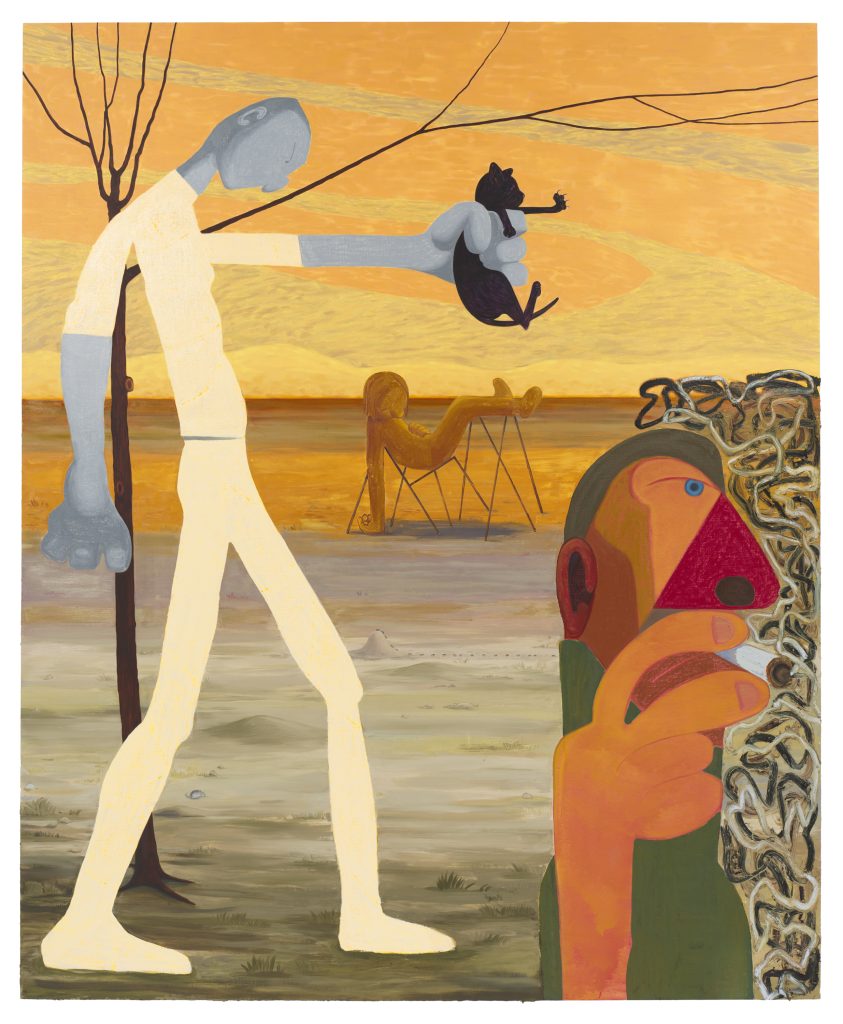
The Gestures of Listening to a Podcast
We decided to discuss the gestures of listening to a podcast” because one of us had listened to a very interesting podcast. Think had hosted an interview with James Marriot, the author of the Article “The Dawn of the Post-Literate Society”. Conservative antagonism towards reading is evident, both in Marriott’s descriptions and in the world around us. As the consumption of new media continues to usurp people’s capacity to read for pleasure, the influence of podcasts becomes all the more pressing.
Protocols for Listening
Inspired by the Ultra Red workbook, we decided to write protocols for listening. We aimed to create protocols with a written output, with the intention of exchanging protocols for our writing exercise the next week. This proved difficult, as it was challenging to create a writing protocol that was oriented towards the act of listening, rather than memory or content
Gesture-less Listening
What if the gesture of listening is to stop doing other things – to halt action because words have taken over? Like in a play, when an actor is still, then quick to motion while across the stage, two other performers have a discussion. The audience learns that the characters have been overheard, and listening is demonstrated through inaction and reaction.
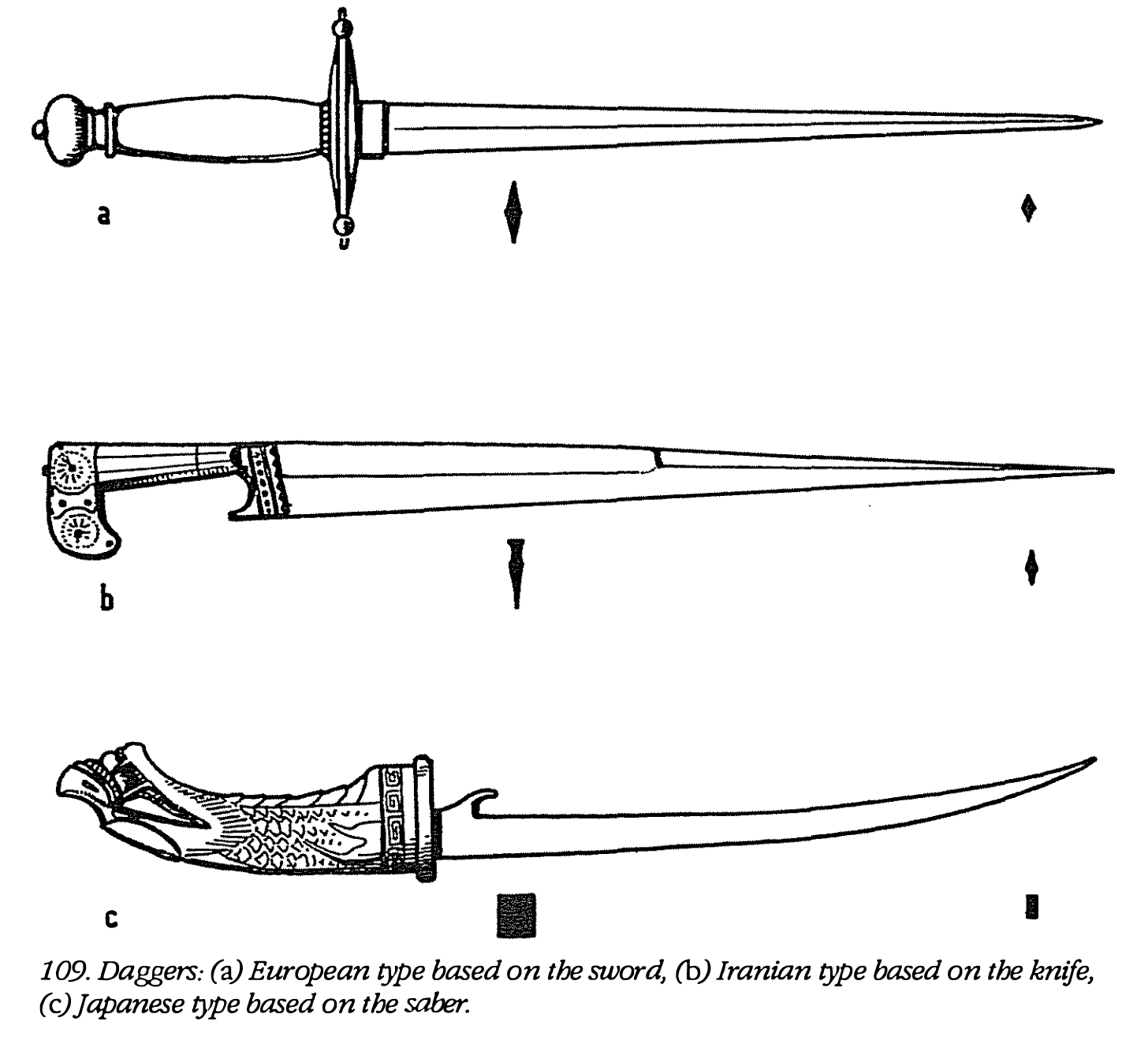
Decorated Tools vs. Art for Art's Sake: Leroi-Gourhan on Functional Aesthetics
Leroi-Gourhan's concept of "functional aesthetics" offers a compelling alternative to both purely utilitarian thinking and "art for art's sake," suggesting instead that meaningful aesthetic experience must engage with the rhythms and challenges of our technical existence.
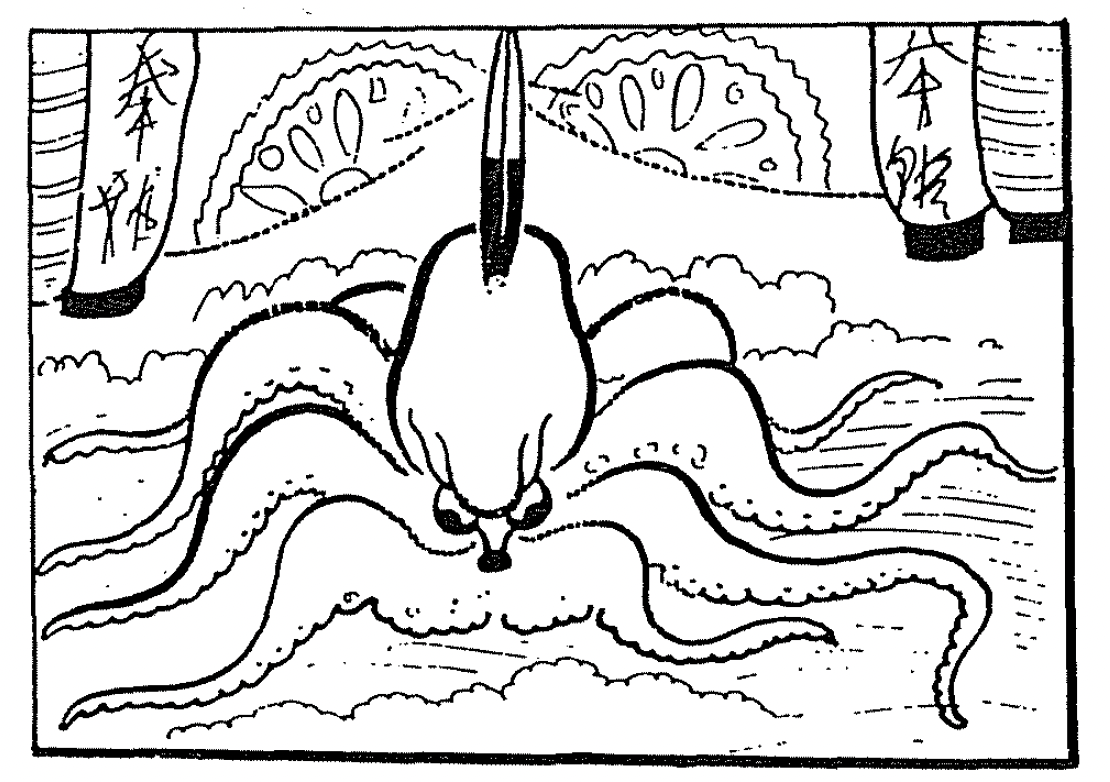
Leroi-Gourhan's "Introduction to a Paleontology of Symbols" or Can Art Save Us From AI?
Chapter 10 marks a turning point in Gesture and Speech, where Leroi-Gourhan shifts from tracing the broad universal forms of human evolution to asking where art, and the possibility of individual expression, fit within a system increasingly dominated by externalized function. As memory, gesture, and even decision-making migrate into machines, what, if anything, remains of the human beyond artificial intelligence?
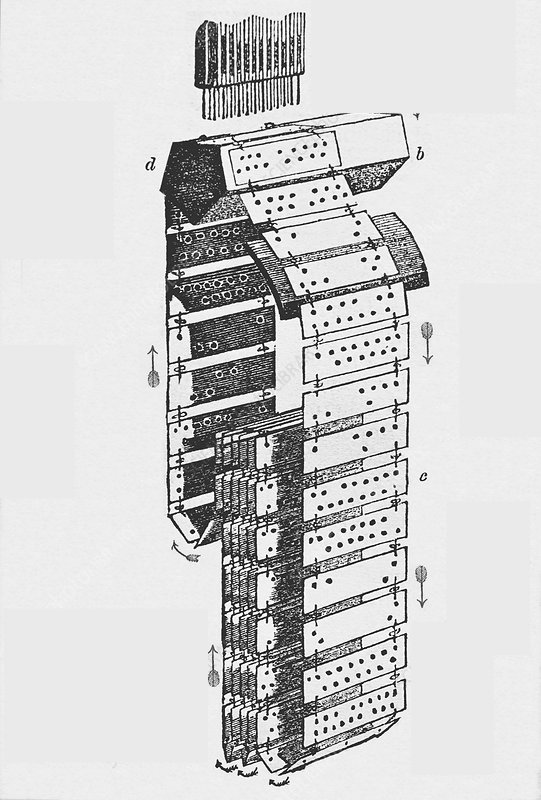
“The Expanding Memory”: Thomas the Tank Engine and AI
In this post, we explore Chapter 9 of Leroi-Gourhan’s Gesture and Speech, where the evolution of memory, (from oral tradition to punch cards and digital systems,) reveals how technics reorganize not just thought, but the conditions of thinking itself. Through an unexpected detour into trains and Thomas the Tank Engine, we wrestle with how systems of control, morality, and computation intersect. And of course, Leroi-Gourhan was already, in 1964, bringing all of this to bear on the question of AI.
Stay in the loop!
Thank you for subscribing!
Have a great day!
